

Since the beginning of time people have been taking resources from nature, using them to make stuff, then dumping that stuff in holes in the ground to rot. This is known as a ‘linear economy’ as it goes in a straight line from raw materials > products > waste.
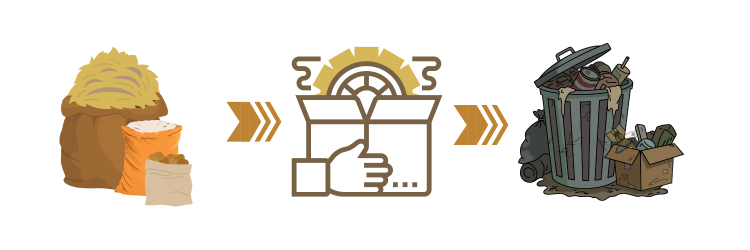
For the first few thousand years there was plenty of space on the planet to dump stuff so no one really minded much. Yes, the air smelled bad around the dumps, or landfill sites, but that was acceptable. Then we started creating man-made materials like mixed metal alloys, chemical compounds and plastics which made making stuff even easier. However, this man-made material didn’t rot as quickly as the natural materials, like wood or plant fibres, so it became more of a problem. For a long time the UK just exported their waste to foreign countries where there was more space for landfill. Now the world is so full of people and there is so much stuff that it has become a real issue. This is where the circular economy comes in.
What is the Circular Economy?
Instead of taking a raw material like metal, creating a thing, then throwing it in the bin when we’re finished with it, we break it down and use the parts to make something new. Nothing goes to waste. Imagine you made a house with little colourful ‘plastic construction toys’ made by a Danish company everyone knows:
> In a linear economy, you would throw the house away when you were finished with it.
> In a circular economy, when you have finished playing with the house, you dismantle it and use the pieces to build a space rocket or whatever your imagination comes up with. Nothing goes to waste.
The Path to Circular Economy
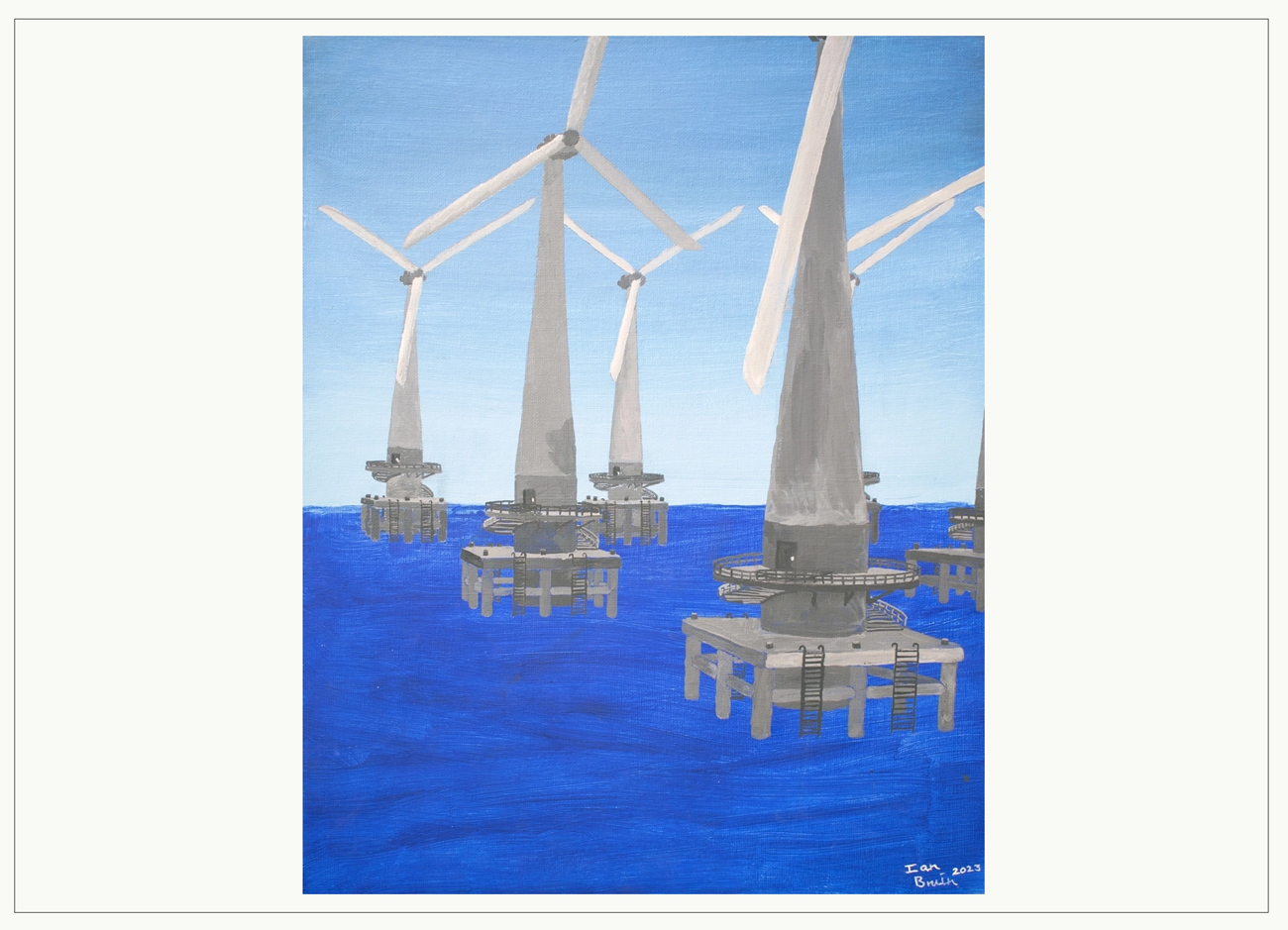
Think about wind turbines. About 90% of the turbine is made from materials, like steel, that can easily be recycled in to new things (circular economy). The blades are a bit different. These huge objects are made from carbon fibre and fibreglass. They are notoriously difficult to break down because of the bonding resin used to make them strong enough to do their job. When they reach the end of their life they can either be put in a landfill (linear economy) or broken down into parts and used to make other things like bike sheds, bus shelters or kids playground equipment. There is a lot of work being done to design in even better solutions.
When we design products so that they can be dismantled and the parts reused we:
A. Reduce the amount of raw material taken from nature
B. Avoid the energy spent in creating new materials
C. Reduce the amount of material that goes to landfill
At Project Ability our artists use many different materials to make art. We try to ensure nothing goes to waste by reusing any leftover clay and repurposing any unwanted paintings. Our artists take raw materials like canvas and paint, for example, and turn them into a painting. Most of this art will live as cherished possessions on someone’s wall or mantlepiece. If the artist decides they don’t want to sell their pieces we can repurpose the canvas to make another painting or create one-of-a-kind tote bags for people to wear. We are still working on finding more solutions to reduce the waste we produce. If you have any ideas, let us know.
Please note that this phase of the project is funded by Glasgow City Council and the UK Shared Prosperity Fund.